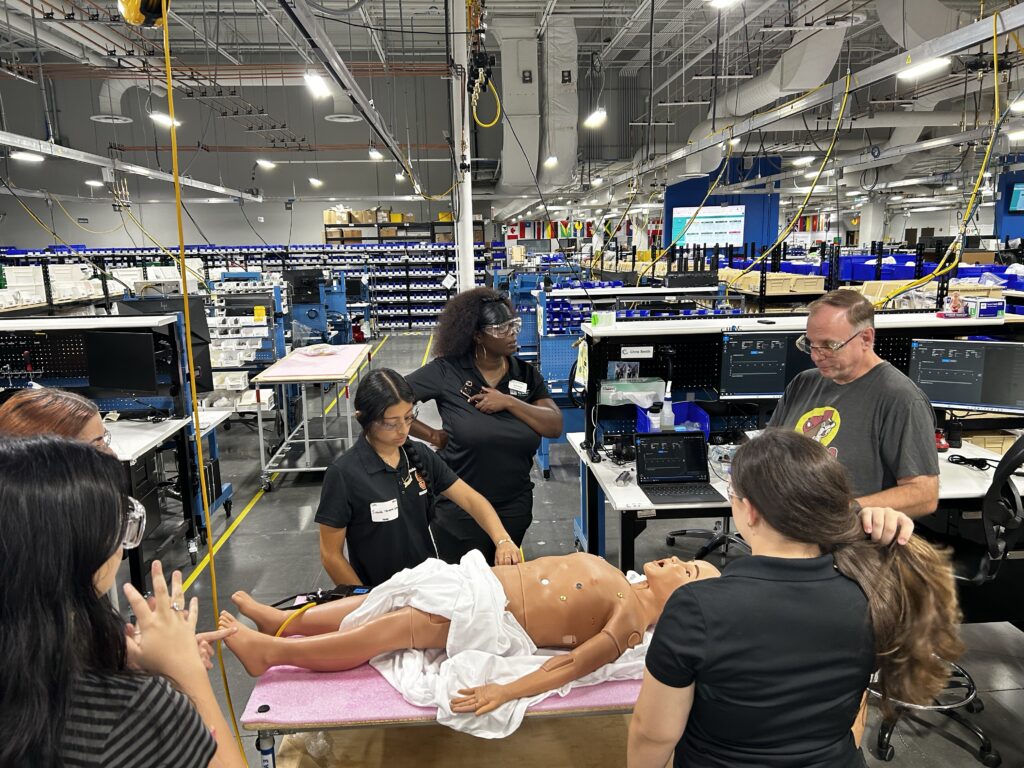
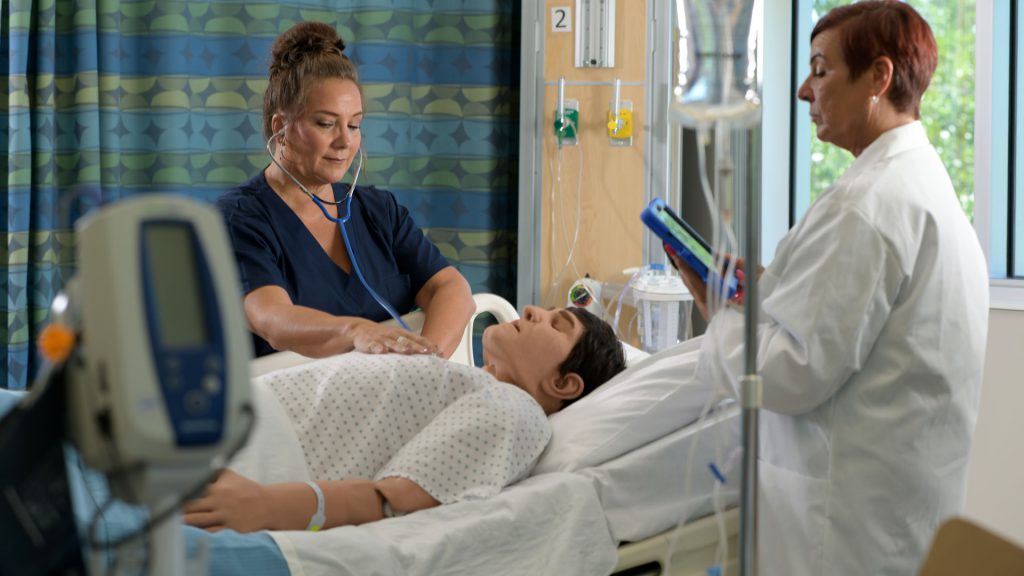
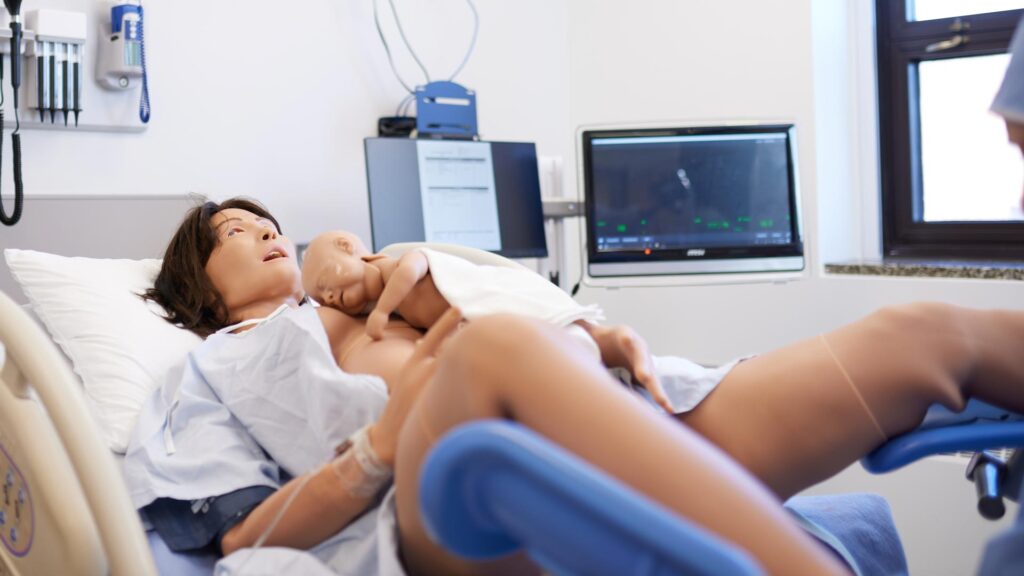
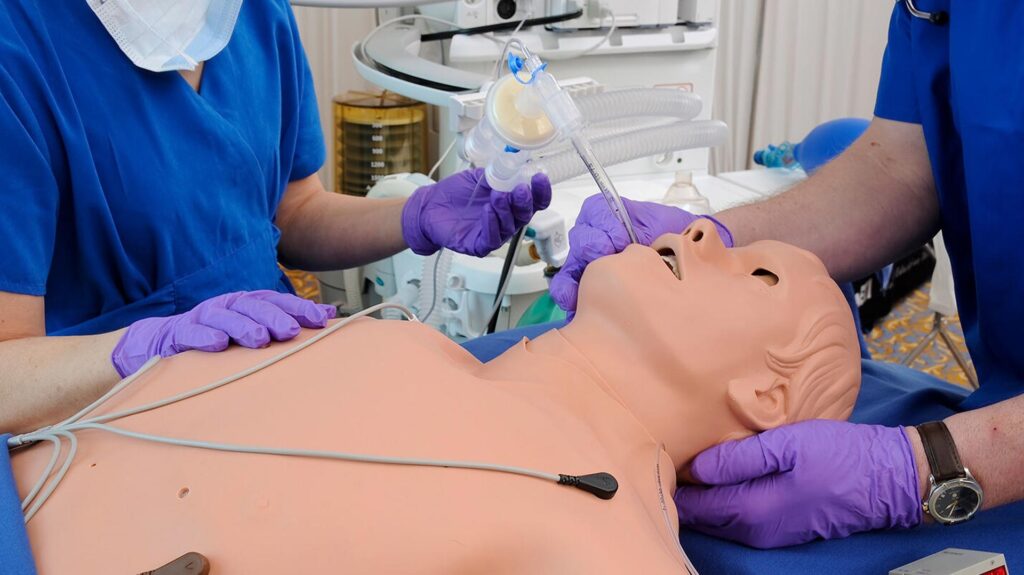
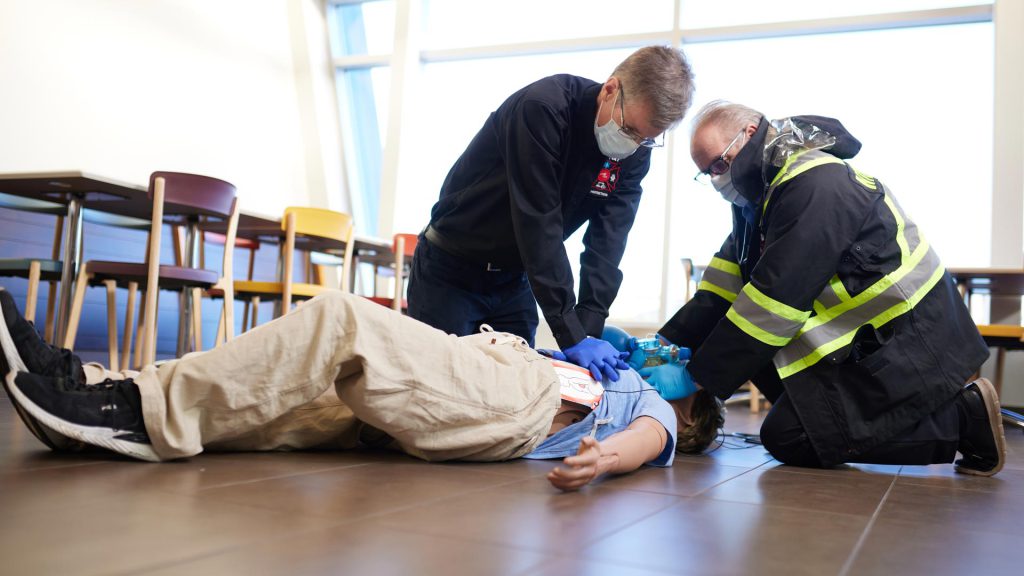
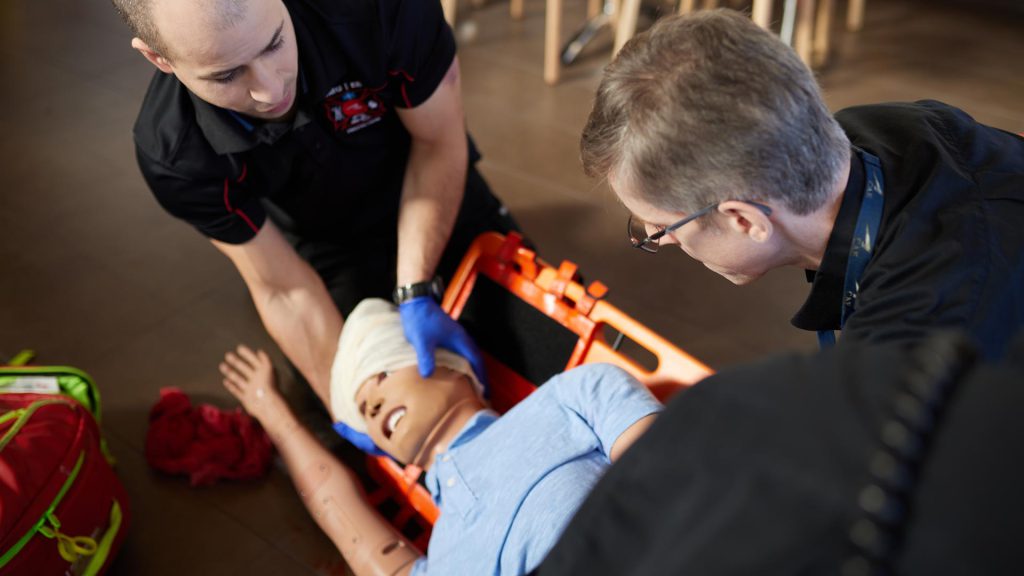
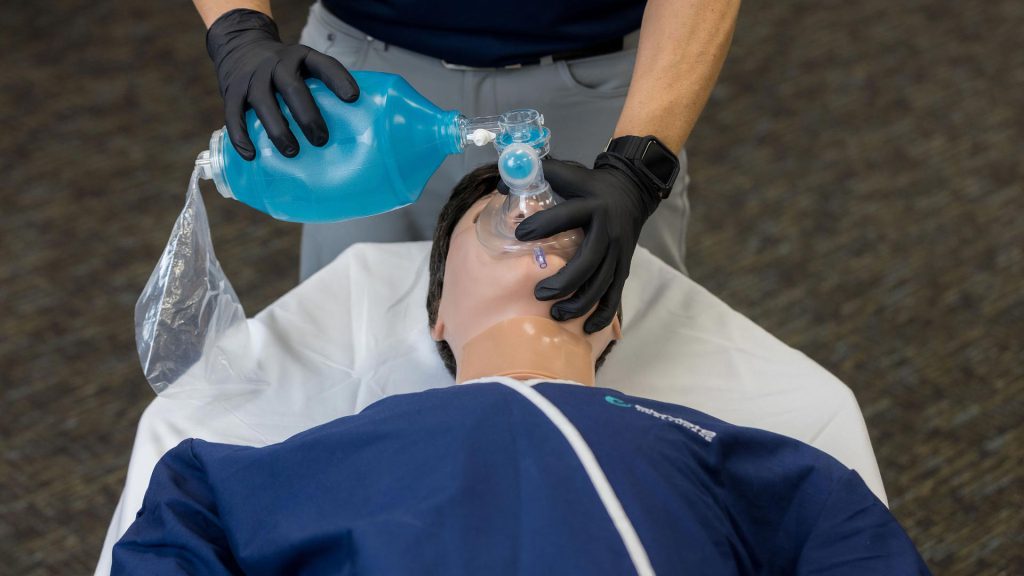
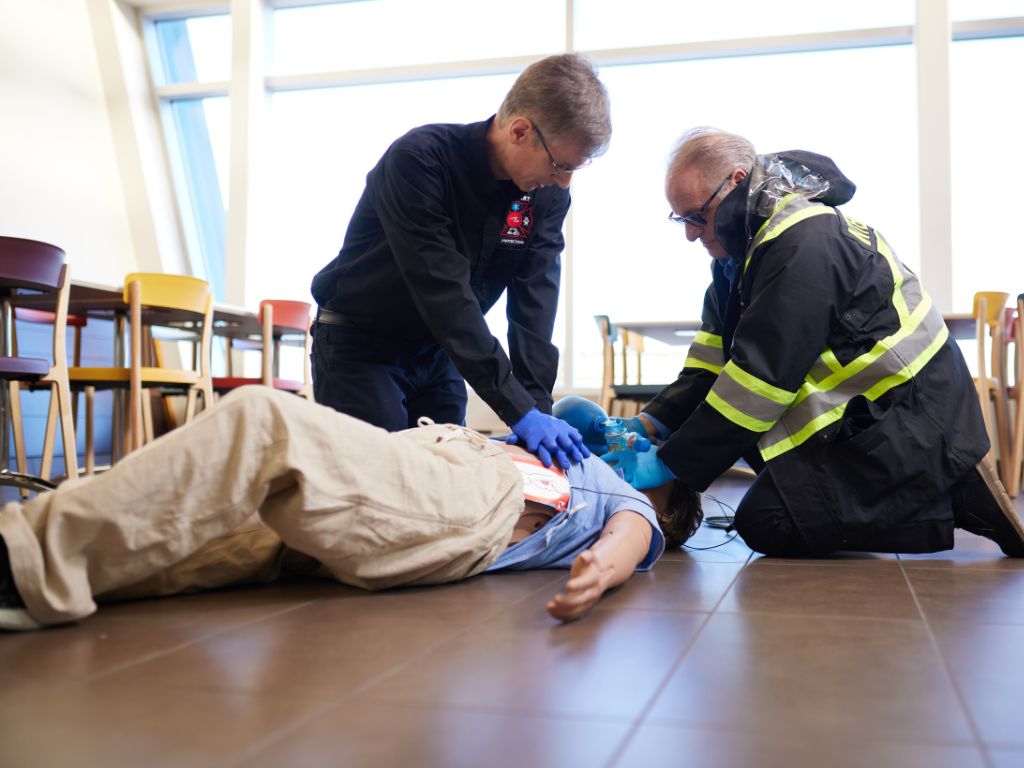
Simulation is one of the most effective and risk-free ways to prepare healthcare practitioners to treat patients, handle critical situations and reduce errors.

Leveraging our company’s 75 years of experience in simulation-based aviation training, we are able to support a holistic learner journey through four key initiatives, also known as The Elevate Healthcare Advantage:

  • Optimized Physiological Modeling: We know how humans work, whether it’s how their bodies respond to treatment or their brains react to learning. Using data and medical modeling, we deliver best-in-class, physiologically optimized clinical education solutions.
  • Advanced Simulation Technologies: From physical patient simulators to interactive digital scenarios, our products provide authentic, autonomous, objective responses to learner inputs.
  • Digitally Connected Platforms: Our physiological model–and its benefits–extends from the physical world to the digital one, where we offer cloud-based and interconnected platforms for instructor-led training, self-directed learning or a combination of the two.
  • Data-Informed Analysis: Data drives everything we do. We adapt and update our models using artificial intelligence and big data to improve outcomes.

Have a comment?

We’d love to hear from you!

At every step of the simulation journey, we’ll be by your side, delivering our Advantage and empowering you to focus on the learning that delivers better patient outcomes and creates a safer world.

With Elevate Healthcare, you’ll tap into our full spectrum of services, from quality manufacturing and logistics management to immersive training solutions and unmatched technical and customer support.

You’ll also benefit from our exclusive relationships with regulatory bodies, healthcare associations, original equipment manufacturers and others who have invited us to their respective tables to share our thought leadership and drive healthcare innovation.

We’re looking for passionate, driven individuals ready to innovate, collaborate, and grow with us. Explore exciting opportunities and shape the future—together.
Discover More

<
>

Blog

What Is Simulation Training in Healthcare? Types, Benefits, and How Programs Use It

Every clinician needs a safe place to practice before real patients depend on them. Simulation training provides that space, giving learners realistic clinical experiences …

Blog

What Is Healthcare Simulation? A Complete Guide for Educators and Clinical Leaders

Clinical educators face a hard truth every day. Learners need practice with low- to high-risk situations and opportunities to develop their skills, yet real …

Webinars

Simulation in Action – Beyond High Fidelity: The Impact of Realism in Simulation 

WEBINAR Simulation in Action – Beyond High Fidelity: The Impact of Realism in Simulation  A practical look at the four dimensions of realism and five questions …

Blog

How Do Nursing Simulations Work? A Guide for Students and Educators

The first simulation day can feel both exciting and a little nerve-racking for nursing students. For educators, it represents hours of careful planning, scenario …

Blog

The Principles of Simulation in Healthcare: What Every Educator Should Know

Great simulation sessions rarely happen by accident. Behind every effective scenario sits a set of principles that guide design, facilitation, and evaluation. Simulation in …

Blog

What Is a High-Fidelity Simulator? How Realistic Patient Simulators Work

Realism can make or break a clinical training session. When a patient’s condition shifts with every decision, learners think and act as they will …

Blog

Can Simulation Improve Patient Outcomes? What the Evidence Says

Every simulation program eventually faces the same question from leaders and boards. Does all this training actually make care safer for real patients? Research …

Blog

More Than a Field Trip: Bringing Healthcare Careers to Life 

For students exploring a future in healthcare, learning about a career is one thing. Experiencing it firsthand is another.  Through a partnership with Big Brothers …

Blog

How to Teach Using Simulation in Healthcare: A Faculty Guide

Simulation gives learners a safe space to practice, yet equipment alone does not guarantee learning. Faculty skill shapes nearly every outcome, from scenario flow …

Blog

Choosing an OB Simulator: What Labor & Delivery Teams Need From a High-Fidelity Maternal Simulator

Selecting the right maternal simulator involves more variables than most buyers expect. Manikin realism matters, but so do the software, post-purchase support, and training …

Blog

What Does a Healthcare Simulation Manikin Cost? A Buyer’s Guide to Budgeting for High-Fidelity Simulators

Buyers researching simulation equipment quickly discover that pricing is rarely straightforward. Vendors don’t publish list prices the way consumer electronics companies do, and prices …

Blog

How to Measure Whether Your Simulation Program Is Actually Improving Clinical Outcomes

Simulation budgets keep growing, but many programs still struggle to show what that investment is producing. Session counts and completion rates tell leadership that …

Blog

Putting the Next Generation of Healthcare Professionals to the Test

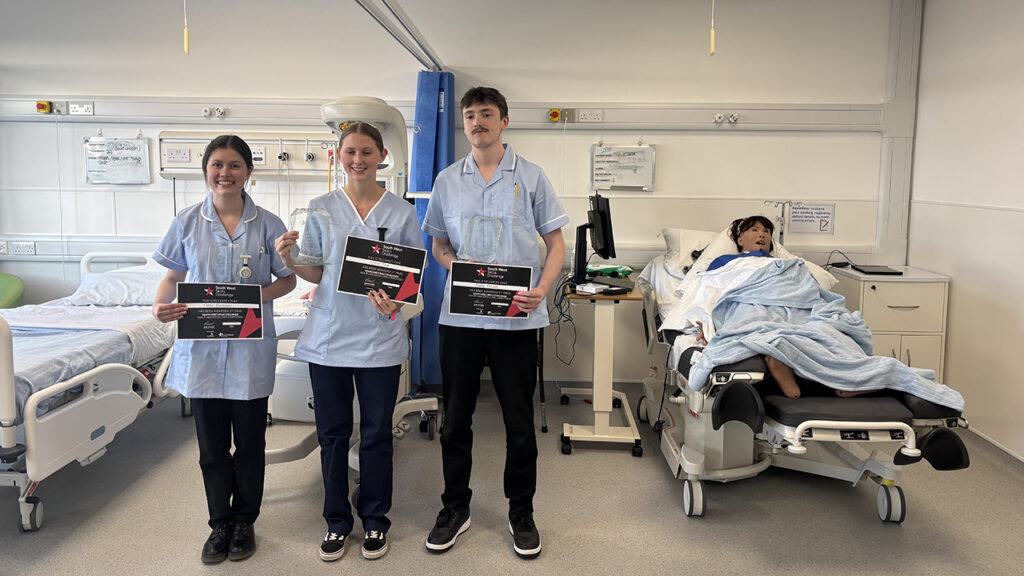
What does it look like when the next generation of healthcare professionals gets the opportunity to put their skills into practice? At the South West …

Blog

Why Is Medical Simulation Important? The Clinical and Educational Case

Clinical training carries a simple but serious challenge. Learners must become competent without putting patients at risk while they learn. Medical simulation helps address …

Customer Stories

The Skills Behind the Skills

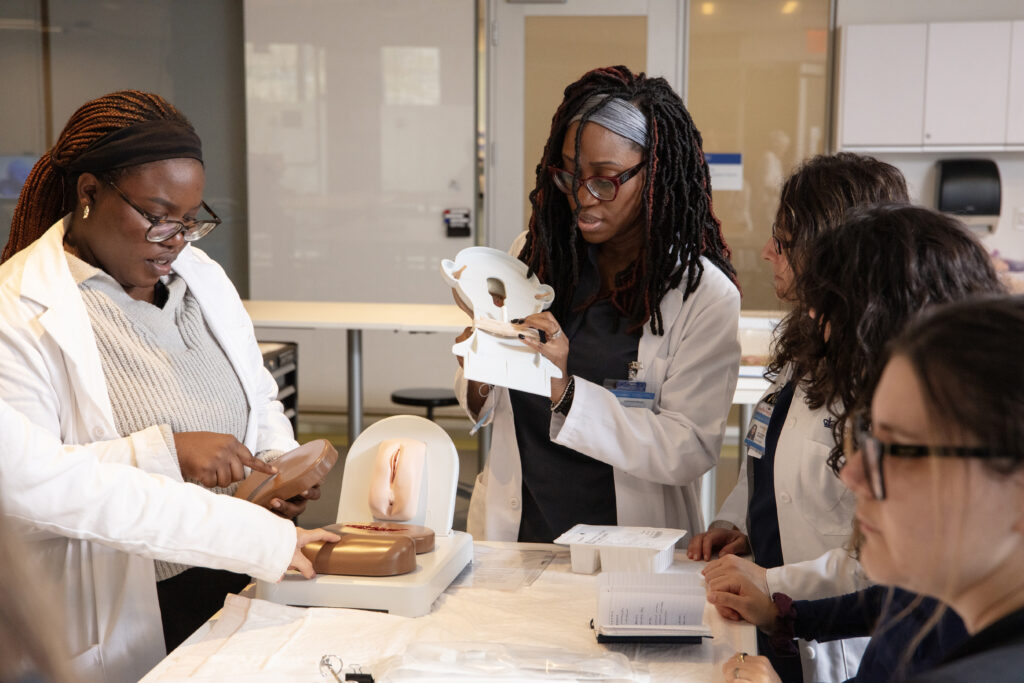
Customer Story · Columbia University School of Nursing How Columbia Nursing Uses Simulation to Prepare Students for Real Patient Care. At Columbia University School of Nursing’s …

Blog

Reducing Preventable Medical Errors: Where Simulation Fits in a Hospital’s Patient Safety Strategy

Preventable medical errors remain one of the most persistent challenges facing hospitals today. Leaders often spend time and budget chasing incident reports after harm …

Blog

The Simulator That Went on Vacation 

When a customer sent a simulator back to the team for service, Shannon Drew and her colleagues could have simply repaired it and sent …

Blog

The Customers and Conversations That Shaped Innovation 

When Jeff Jacoby joined METI in 1999, the company was still focused on a single core product: the Human Patient Simulator.  Over the next 26 …

Blog

The Decision That Launched METI 

In 1996, Mark McClure and a small group of colleagues faced a choice: walk away from healthcare simulation or take a chance on building …

Blog

The People Who Find a Way Forward 

Over more than a decade in healthcare simulation, Giuseppe Mallaci has seen plenty of ambitious projects, aggressive timelines, and technical challenges.  He’s also seen something …