


Blog
How to Increase Simulation Center Utilization: Building SimOps Confidence Across Technology, Scenarios, and Debriefing
Increasing simulation center utilization isn’t simply about scheduling more sessions or investing in additional technology. It’s about ensuring teams have the skills, resources, and confidence to make the most of what’s already available.
From managing simulation technology to developing effective scenarios and facilitating meaningful debriefings, each part of the simulation experience plays a role in how consistently a center is used. When these elements work together, simulation programs can reduce operational barriers, expand learning opportunities, and maximize the value of their investment.
Improving utilization starts with understanding what may be holding a simulation program back and building the operational confidence to overcome those challenges.
Why Simulation Center Space and Simulators Go Unused
Even well-equipped simulation centers can face challenges maintaining consistent utilization. Having the technology and physical space available doesn’t always mean a program has the resources, scheduling flexibility, or operational support needed to use them to their full potential.
These challenges can take different forms depending on the simulation environment. Academic programs often experience fluctuations in demand based on course schedules and academic calendars, while hospital-based programs must balance simulation training with clinical staffing and patient care priorities. Across both settings, limited preparation time, scenario availability, and varying levels of technical confidence can create additional barriers to scheduling and delivering simulation experiences.
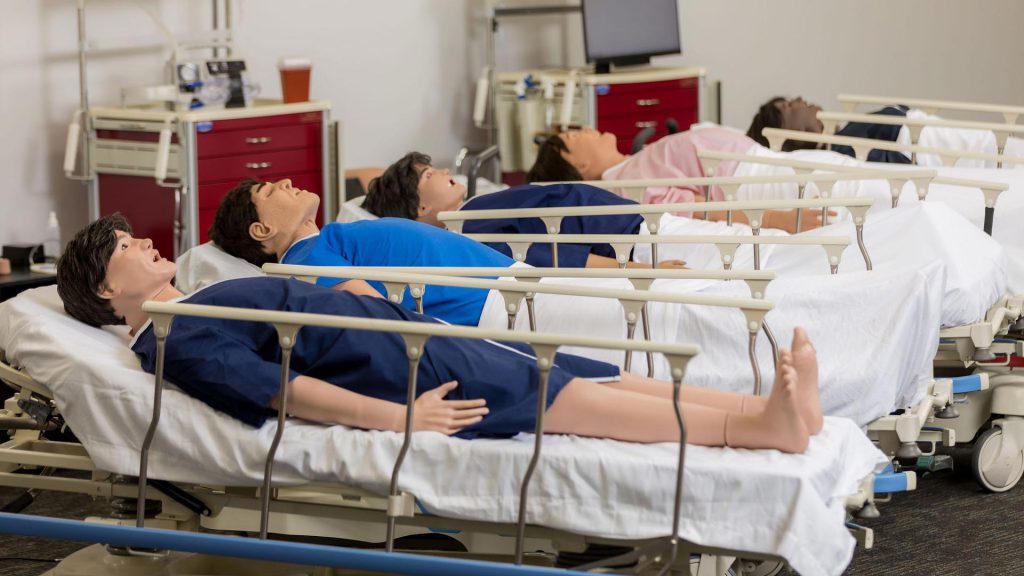
Addressing these challenges requires looking beyond equipment availability to understand how simulation programs operate. Building confidence across the team, expanding access to ready-to-use scenarios, and creating opportunities for meaningful debriefing and continued practice can help programs make more consistent and effective use of their simulation resources.
How SimOps Expertise Expands Simulation Opportunities
Simulation operations professionals play an essential role in making simulation experiences possible. As teams continue to develop their expertise across simulation technology, scenario programming, and troubleshooting, they can support a broader range of learning experiences and respond to evolving educational needs.
Building on existing skills through hands-on practice, peer collaboration, and cross-training can help teams expand their capabilities while strengthening day-to-day operations. Applying Kolb’s experiential learning cycle provides a useful framework for this development. By engaging in practical experiences, reflecting on what worked, identifying opportunities for improvement, and applying those insights in future sessions, SimOps professionals can continuously refine their skills.
This ongoing development benefits the entire simulation program. Greater flexibility in scenario delivery, shared technical knowledge, and consistent operational support can make it easier for educators to schedule sessions, explore new learning opportunities, and maximize the use of simulation resources.
The Role of Scenario Libraries and Programming in Expanding Simulation Opportunities
Scenario libraries provide a valuable foundation for delivering consistent, high-quality simulation experiences. Having access to a collection of ready-to-use scenarios allows educators and simulation operations teams to respond to different learning objectives, adapt existing content, and make more efficient use of preparation time.
As educational needs evolve, scenario programming offers opportunities to build on that foundation. The ability to customize patient responses, adjust clinical conditions, and introduce different pathways allows teams to tailor simulation experiences to specific learning objectives. These capabilities also support scenario variations, giving learners opportunities to revisit clinical situations, apply feedback, and strengthen their skills through repeated practice.
Together, accessible scenario content and continued development of programming capabilities can help simulation programs expand their offerings, streamline preparation, and create more opportunities to use their simulation resources.
Using Recording and Debriefing Data to Find Simulation Center Utilization Gaps
Understanding how simulation resources are used can help programs make more informed decisions about scheduling, resource allocation, and future learning opportunities. Reviewing session frequency, room availability, equipment usage, and participation trends can reveal patterns that may not be immediately apparent through day-to-day operations.
Simulation management platforms, such as Elevate Healthcare’s (formerly CAE Healthcare) LearningSpace, can help teams organize simulation activities and review available session and performance data. These insights, combined with feedback from educators and operations professionals, provide a more complete picture of how simulation resources support program goals.
Looking at utilization alongside educational outcomes allows programs to identify opportunities for improvement, evaluate the impact of operational changes, and make decisions that support both efficiency and meaningful learning experiences.
A Practical Approach to Improving Simulation Center Utilization
Improving simulation center utilization starts with understanding how existing resources support the program’s educational goals and where opportunities exist to expand their use. Rather than focusing solely on the number of sessions delivered, teams should consider scheduling patterns, equipment availability, scenario readiness, and the resources needed to support meaningful learning experiences.
A practical approach includes four key steps:
1. Establish a Baseline
Review current utilization data, including room and equipment usage, session frequency, and scheduling patterns. Consider how simulation activities align with academic calendars, clinical training requirements, and program priorities. This provides a clearer picture of how resources are being used and where additional opportunities may exist.
2. Identify Opportunities for Growth
Engage simulation educators, operations professionals, and program leadership to identify areas where additional support or resources could make a difference. Opportunities may include expanding scenario libraries, streamlining preparation workflows, strengthening technical capabilities, or increasing collaboration across departments.
3. Implement and Refine
Prioritize improvements that align with program goals and available resources. This might involve introducing new scenarios, expanding cross-training opportunities, or collaborating with faculty and clinical partners to support additional simulation experiences. Gather feedback and adjust approaches as needs evolve.
4. Measure Progress and Build on Success
Track changes in utilization alongside educational and operational outcomes. Metrics such as session frequency, equipment usage, scheduling efficiency, and participant feedback can help teams evaluate progress and identify opportunities for continued improvement.

For programs looking for additional guidance, Elevate Healthcare’s Achieve Program provides consulting support to evaluate current practices, identify opportunities, and develop strategies aligned with organizational goals. This collaborative approach helps simulation programs build on their strengths and establish a path toward sustainable growth.
Connecting Simulation Center Utilization to Program Goals
Simulation center utilization is more meaningful when viewed alongside the educational and operational goals of the program. Understanding how simulation resources are being used, which learning experiences are in demand, and where opportunities exist for growth can help teams make informed decisions about future investments.
These insights can also support conversations with leadership about the resources needed to expand simulation opportunities. Whether the priority is professional development, scenario creation, scheduling efficiency, or technology adoption, connecting proposed improvements to measurable program goals helps demonstrate their value.
Investing in continued professional development is one way to support these goals. Hands-on learning opportunities, such as Elevate Healthcare’s Experiential Learning program, allow simulation operations professionals to build on their existing expertise through practical experience with simulation technology and software.
Supporting Continued Growth in Simulation with Elevate Healthcare
Improving simulation center utilization is an ongoing process that brings together operational expertise, educational priorities, and effective use of available resources. By understanding current utilization, investing in professional development, and identifying opportunities to expand simulation experiences, programs can continue building on their strengths.
Elevate Healthcare supports this growth through consulting, training, technology, and ongoing services. Whether you’re evaluating current operations or looking to expand your team’s capabilities, our team can help identify opportunities that align with your program’s goals.
Connect with a simulation expert to explore what’s next for your simulation program.