


Patient Safety & Risk Management
Walk into your accreditation review with confidence and evidence.
Achieve is your accreditation accelerator — expert consulting, simulation-driven evidence, and faculty development that turn standards into a practical, sustainable playbook reviewers recognize and trust.

Your proactive safety partner.
Achieve integrates simulation into your safety and quality infrastructure, turning reactive event response into proactive risk identification. Our consultants work with your risk, quality, and education teams to design event- based scenarios, run HFMEA-style simulations, and build systems-level improvement loops that turn near-misses into learning.
Systems thinking
Goes beyond individual performance to identify environmental, process, and latent threats.
In situ simulation expertise
Brings training into actual care environments to uncover real-world risks.
Integration with QI/PI
Links simulation findings directly to safety dashboards and improvement projects.
Defensible evidence
For risk committees, boards, and accreditors that your organization is actively managing safety.

Complete solution set
Built around your challenge.
Five components, each framed as what you get and how it helps — so the pieces stay in
service of the review.

01 / 05
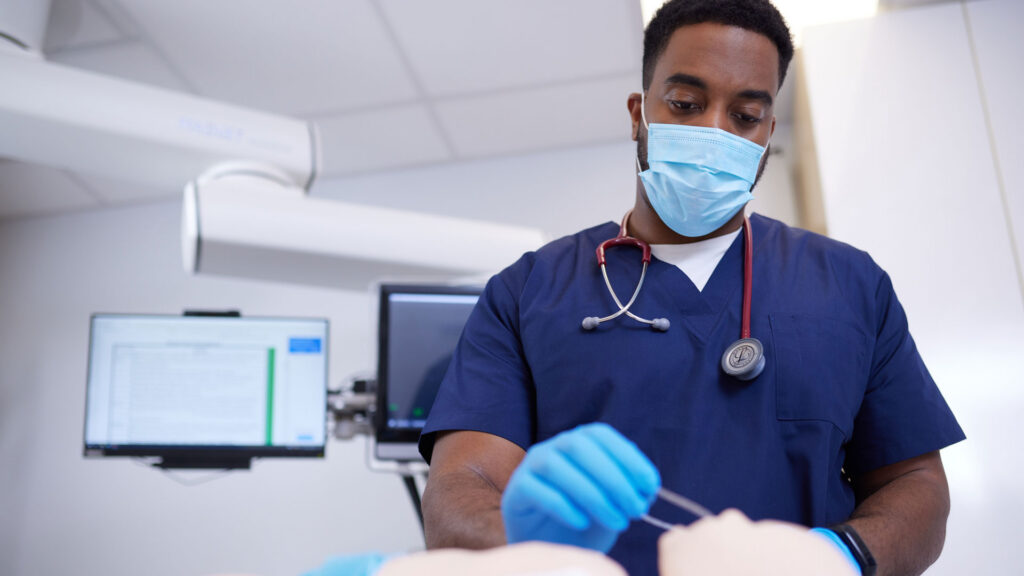
Achieve Safety Consulting
WHAT YOU GET
HFMEA-style reviews, event-based simulation design,
failure mode analysis, and safety culture assessment.
How it helps
Identifies where protocols break down under pressure,
and what environmental factors contribute to risk.
02 / 05
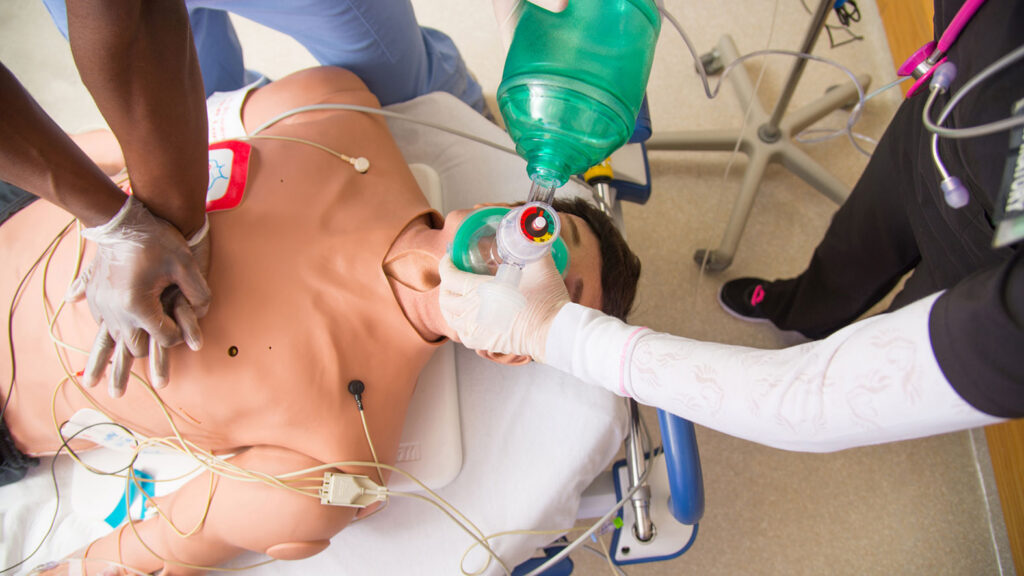
Apollo, HPS High-Acuity Scenarios
WHAT YOU GET
Adult and pediatric crisis scenarios (sepsis, respiratory failure, cardiac arrest, hemorrhage, code events)
How it helps
Stress-tests teams and protocols in realistic, high-pressure situations to reveal weaknesses
03 / 05
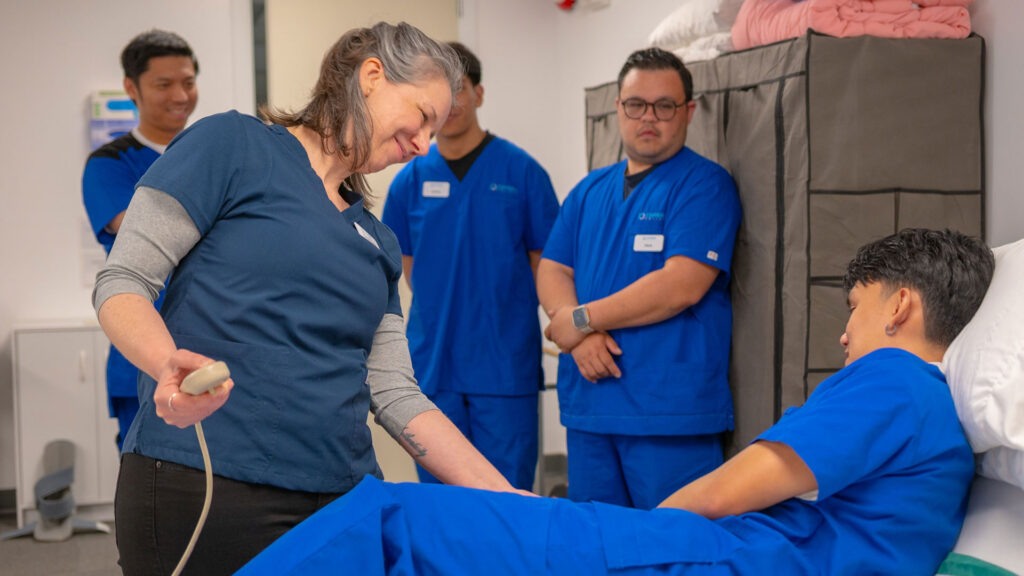
In Situ Simulation Design
WHAT YOU GET
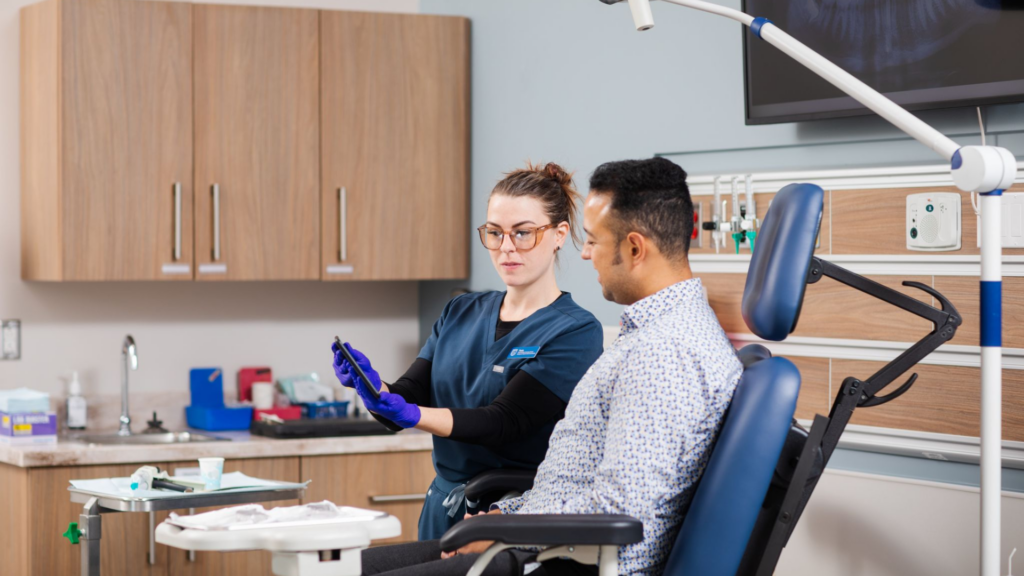
Training conducted in actual clinical environments (ED, ICU, OR, L&D) using real equipment and teams
How it helps
Uncovers latent threats invisible in simulation center training (equipment placement, communication barriers, workflow issues)
04 / 05
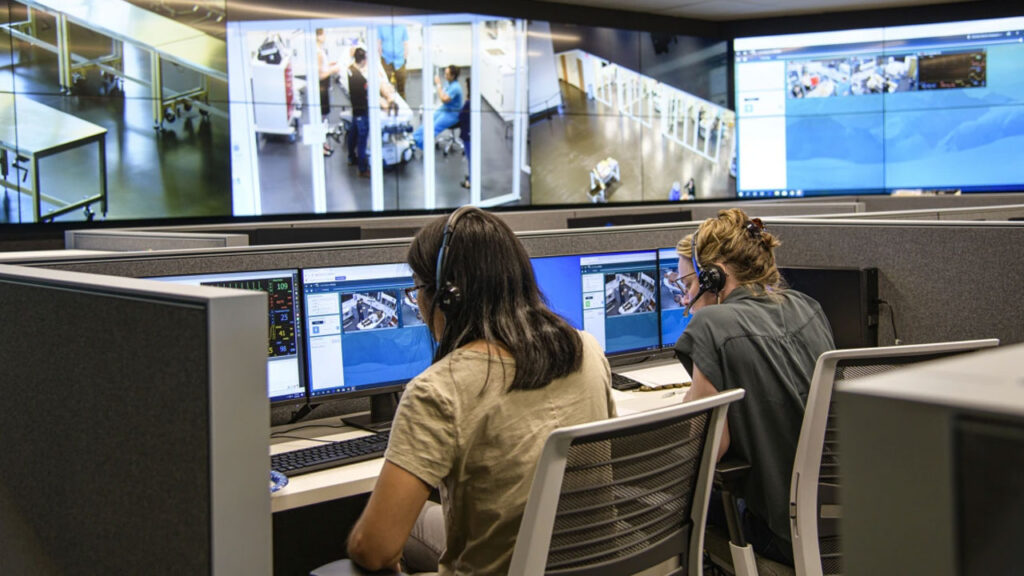
Video Review & Debriefing
WHAT YOU GET
Structured analysis using recorded simulation sessions, safety event video, team performance frameworks
How it helps
Creates psychologically safe space to examine errors, near-misses, and team dynamics without blame
05 / 05
QI Dashboard Integration
WHAT YOU GET
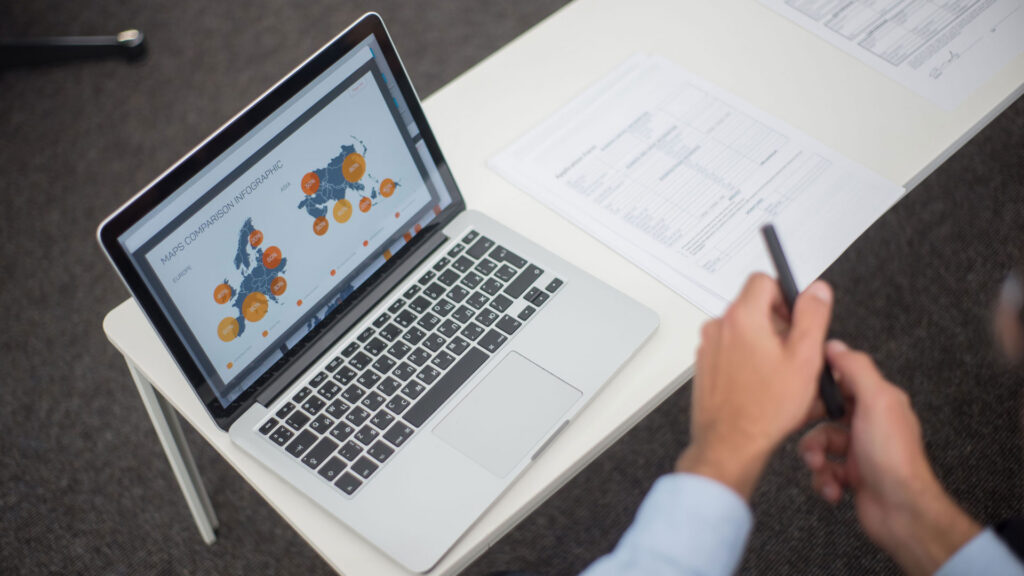
Consultation on linking simulation data to organizational safety metrics (NDNQI, AHRQ, internal KPIs)
How it helps
Demonstrates ROI of simulation to leadership and closes the loop between training and outcomes
What changes
Four things that get easier.
Reduce adverse events
Organizations using simulation-based safety training report 20–40% reductions in targeted adverse events: medication errors, falls, pressure injuries, and code response times.

Identify hidden risks
In situ simulation uncovers 4–6 latent safety threats per session — equipment issues, workflow bottlenecks, communication failures — that would never surface in a simulation center.

Strengthen team performance
High-pressure simulation builds teamwork, communication, and shared mental models. Teams that train together perform better when seconds matter.

Create safety evidence
Give boards, risk committees, and accreditors concrete evidence that your organization is proactively managing safety through structured training and continuous improvement.
Proven Results
Case study · Academic Medical Center
Our in situ simulation program identified 23 latent safety threats in our
Director of Quality & Patient Safety · Urban Academic Medical Center
first six months — everything from missing crash cart supplies to
communication breakdowns during handoffs. We have been able to
address these proactively, and our code response times have improved
by 35%.
4–6
Latent threats
Identified per in situ simulation session.
30%
Reduction
In targeted adverse events after 12 months of simulation-based training.
85%
Of staff
Report increased confidence in speaking up about safety concerns.

Turn simulation into your
safety superpower.
Schedule a 30-minute Achieve consultation. We’ll discuss your top safety concerns, walk through how in situ simulation works, and show you how to uncover and fix risks before they harm patients.
01
30-minute discovery call
02
Priority risk area identification
03
In situ simulation pilot plan