



Blog
Where to Buy Healthcare Simulation Equipment: What to Look for Beyond the Product Itself
Searching for a vendor quickly turns into a longer decision than most buyers expect. The simulator itself is only one piece of a much larger purchase. Choosing healthcare simulation equipment well means evaluating software, training, support, and lifecycle service alongside the hardware, not after it. Programs that skip this step often end up with capable equipment and no clear plan for keeping it useful over time.
What Should Buyers Look for in a Healthcare Simulation Equipment Vendor?
A strong vendor evaluation starts with the technology itself, but it should not end there. Physiological realism matters for high-stakes scenario training, and software like Maestro drives that realism by modeling how a patient’s vital signs respond to real-time interventions.
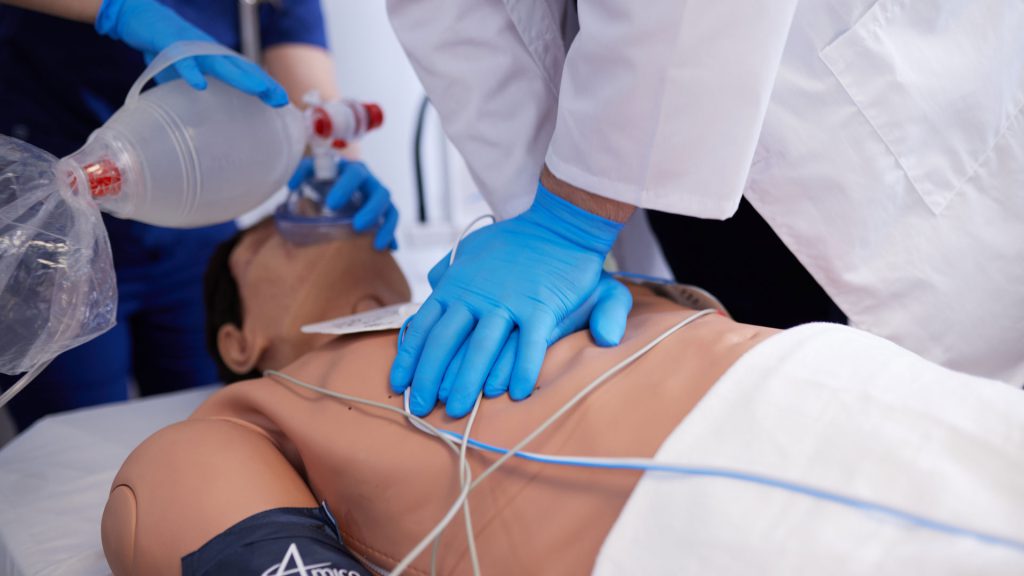
Buyers should ask how a simulator’s software handles drug administration, ventilation, and cardiac events, since these details determine how useful the equipment will be for advanced scenarios. Check portfolio breadth early in the process. A vendor offering a narrow product line may serve one training need well but leave gaps as a program grows into new specialties.
Buyers benefit from vendors that support patient simulators, ultrasound training, and task trainers under one ecosystem, since that consistency simplifies both budgeting and faculty training down the line. But more importantly, does the breadth of what they offer align with the goals you are trying to achieve with your simulation program?
Why Service, Training, and Implementation Matter
Equipment capability means little without a team that knows how to use it. Implementation support during the first months after purchase often determines whether a program gets full value from its investment. Vendors that offer structured onboarding, whether through virtual instructor-led sessions or on-site training, help faculty move past basic operation into confident, scenario-based teaching much faster.
Ongoing education matters just as much as initial training. The Elevate Learning Institute illustrates what this can look like in practice, offering outcomes-based courses in debriefing, facilitation, and specialty scenario design well beyond the initial purchase window.
For programs building or restructuring an existing simulation strategy, the Achieve program adds consulting support through gap analysis and tailored program development. Buyers evaluating vendors should ask directly what education options exist beyond the first year, since that answer often reveals how seriously a vendor treats long-term partnership.
The Role of Lifecycle Support
Simulation equipment is a long-term asset, and how a vendor supports it after the sale matters as much as the sale itself. Preventive maintenance, parts availability, and technical support all affect uptime, and uptime is what keeps a training calendar on track. A simulator sitting in a repair queue during a critical course window creates real disruption for faculty and students alike.
Elevate Healthcare’s (formerly CAE Healthcare) LifeSpan Service Agreements are one example of how this kind of coverage can scale with a program’s size. Plans ranging from remote diagnostic support to full on-site servicing let buyers match coverage to actual usage instead of paying for support they will not need.
Asking a vendor about response times, parts availability, and what happens when equipment ages out of standard support gives buyers a clearer picture of what ownership will actually look like five years down the road.
Evaluating Debriefing Platforms and Analytics in Healthcare Simulation Equipment
Software that captures and analyzes performance data deserves as much scrutiny as the simulator hardware. Debriefing quality shapes how much learners actually retain from a scenario, and platforms that centralize recordings, checklist scoring, and session notes make that process far more consistent.
Buyers should ask how a platform handles multi-site data, since programs running several campuses need trend visibility across locations, not just within a single lab. LearningSpace shows how this kind of platform can function in practice, pulling scoring and session data into a single reporting layer that supports trend analysis over time.
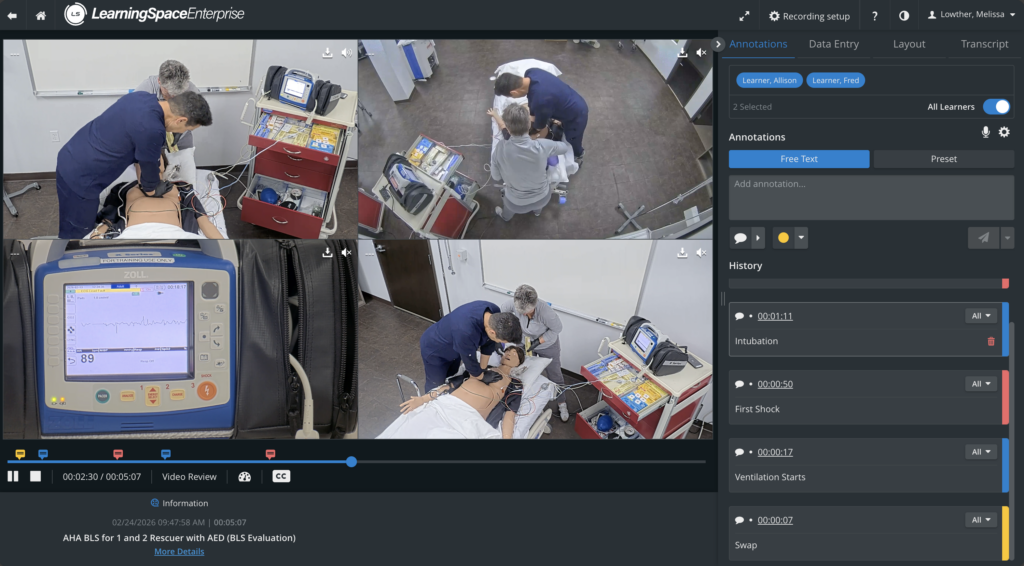
AI assistants like Ehli can meaningfully reduce the manual workload faculty face during evaluation by suggesting scores with timestamped evidence attached. Buyers weighing multiple vendors should compare not just what each platform records, but how much manual effort it takes to turn that data into something leadership can actually use.
What Questions to Ask Before Buying Healthcare Simulation Equipment
Before signing a contract, buyers should look beyond simulator specifications and ask questions that reveal total cost of ownership, support levels, and the equipment’s long-term value. Consider asking:
- What is included in the initial purchase price?
- Clarify what comes with the equipment, including hardware, software, accessories, installation, and initial training.
- What costs will recur after the first year?
- Ask about annual software licenses, service agreements, replacement parts, upgrades, and other ongoing expenses so you can accurately estimate the long-term cost of ownership.
- How does the software licensing work?
- Determine whether the software is included with the simulator or licensed separately, how many users or devices it covers, and what happens when the license needs renewal.
- What does technical support include?
- Ask about support hours, response times, troubleshooting, and whether support is provided directly by the vendor or through a third party.
- What happens when equipment needs to be repaired?
- Find out how repairs are handled, whether loaner equipment is available, how quickly parts can be sourced, and whether on-site service is included.
- What training and faculty development are available after implementation?
- Initial onboarding may not be enough to help faculty build advanced simulation skills. Ask what ongoing education, instructor training, and professional development opportunities are available.
- How often does the equipment receive software and technology updates?
- A simulator is a long-term investment, so buyers should understand how the vendor keeps its technology current and whether updates are included or require additional fees.
- How will the equipment fit into our existing simulation program?
- Consider whether the simulator, software, and other tools integrate with your current workflows, curriculum, and technology infrastructure.
- Can the vendor support us as our program grows?
- Ask whether the vendor can accommodate future needs, such as additional specialties, new simulation modalities, additional users, or multiple training locations.
Getting clear answers to these questions before purchasing makes it easier to compare vendors based on the full ownership experience, not just specifications and upfront price.
Choosing a Healthcare Simulation Equipment Partner Built for the Long Term
Buying healthcare simulation equipment well means evaluating the ecosystem around the product, not just the product itself. Elevate Healthcare builds its offering around that full picture, combining a broad simulator portfolio with software, education, consulting, and support designed to work together.
Patient simulators, ultrasound simulators, and task trainers and accessories give programs a consistent platform across specialties, while customer support keeps that equipment running reliably long after the initial purchase.
Ready to find the right fit for your program’s equipment, training, and long-term support needs? Speak with a simulation expert to get started.