



Blog
Simulation-Based Patient Safety: Using In-Situ Training to Identify Latent Safety Threats
A medication is stored in the wrong location. A crash cart is missing a critical item. A handoff protocol breaks down under pressure. None of these threats appear on an incident report until something goes wrong. Finding them before they reach a patient is exactly what in-situ simulation is designed to do.
In-situ simulation runs clinical scenarios inside actual patient care environments, using the real unit, the real equipment, and the real team. The difference between this and center-based simulation is more than the setting. In fact, research has shown that in-situ simulation can identify more latent safety threats than simulation conducted in a traditional simulation laboratory environment. For patient safety leaders, that gap matters because the threats that surface in a real unit are often the ones most likely to affect real patients.
What Is a Latent Safety Threat, and How Does In-Situ Simulation Expose It?
A latent safety threat is a system-level vulnerability that exists quietly until conditions allow it to cause harm. It is not a single person’s error. Instead, it is a flaw in process, environment, equipment, or communication that most staff members work around without recognizing it as a risk.
Research describes latent safety threats as faults in healthcare systems that increase the risk of patient harm, including inadequate training, equipment design and maintenance issues, poor communication systems, work environments, procedures, and policy gaps. As a result, these threats are notoriously difficult to identify through standard safety reporting because they often do not generate incidents. Instead, they create near misses that go undocumented or workarounds that staff consider routine.
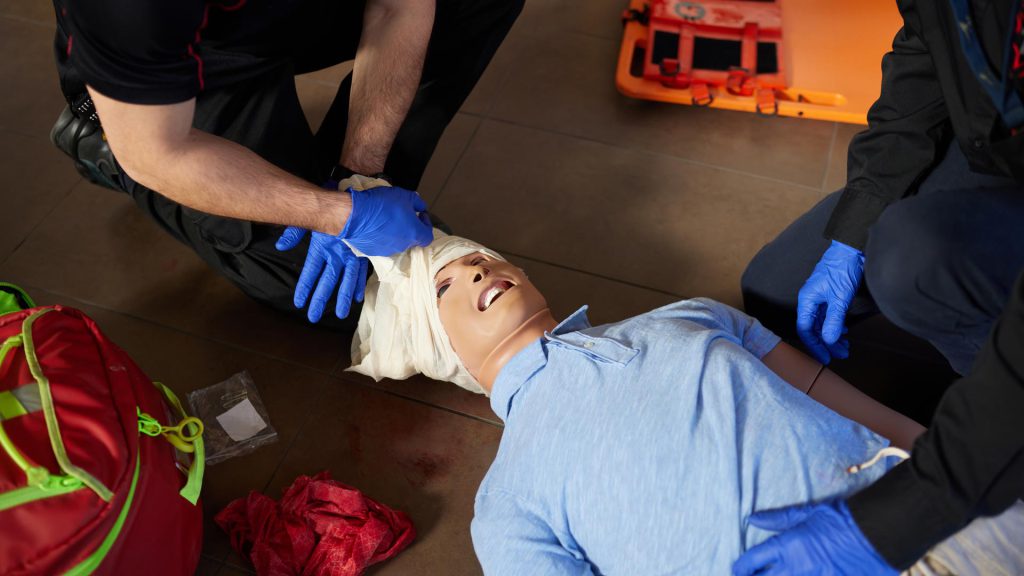
In-situ simulation surfaces these issues by creating realistic clinical pressure in the actual care environment. When a team responds to a simulated deteriorating patient in the unit where they work, they reach for equipment in the places they normally use. They rely on the same communication channels they use every day. If something fails, whether equipment is missing or a protocol breaks down, it becomes visible in a setting where no patient is at risk.
What Scenarios Are Most Effective for In-Situ Patient Safety Drills?
The scenarios that generate the most actionable safety data share several characteristics. They are high acuity, realistic enough to require teams to use actual equipment and protocols, and designed to stress the handoff points where system failures tend to cluster.
Cardiac arrest simulations are among the most widely used. Sepsis recognition, rapid deterioration, and medication administration scenarios generate similarly valuable insights. In each case, teams must coordinate across roles under time pressure while using whatever resources the unit actually has available.
Scenarios tied to newly opened or reconfigured spaces are particularly valuable. Before a unit goes live, in-situ simulation can test whether the physical layout supports safe care, whether equipment is positioned correctly, whether sightlines allow for effective monitoring, and whether code response is logistically feasible.
Elevate Healthcare (formerly CAE Healthcare) has designed Apollo and Ares simulators for this type of deployment. Both are wireless and portable, allowing them to move into ICUs, emergency departments, labor and delivery units, and newly constructed care spaces without requiring a dedicated simulation lab. Simply put, the simulator goes where the safety question is.
How Simulation Centers Coordinate In-Situ Drills Without Disrupting Operations
The logistics of running in-situ simulation on an active clinical unit are real. Scheduling, patient census, staff availability, and the risk of confusion between simulation and actual clinical events all require careful coordination. To keep simulations effective and safe, patient safety leaders who run successful programs plan around three operational priorities.
Advanced communication. All clinical staff in the area need to know a simulation is running, when it starts, when it ends, and how to signal an actual emergency if one occurs during the drill. Clear demarcation between simulation activity and real patient care helps prevent dangerous confusion while building staff confidence in the program.
Scenario brevity. Given the time pressures associated with in-situ simulation, scenarios and debriefs must be brief and focused. Standardized formats help ensure critical components are covered within a short time frame. Ten to fifteen minutes of scenario time, followed by a structured debrief, is a realistic target for an active unit.
Formal threat documentation process. Without a structured reporting and follow-up workflow, the safety data generated during a drill can stall before it reaches the people who can act on it. LearningSpace, Elevate Healthcare’s simulation management platform, helps support this process. Educators can record scenarios, tag threat observations during debrief, and build a documented record that moves from the unit to safety leadership with a clear paper trail.
What the Evidence Says About In-Situ Simulation and Error Reduction
A systematic review of in-situ simulations conducted in emergency departments found that equipment was the most commonly reported latent safety threat category, appearing in 83% of studies, followed by teamwork and communication issues at 67%. These are not obscure edge cases. They are everyday vulnerabilities that patient safety programs are designed to address.
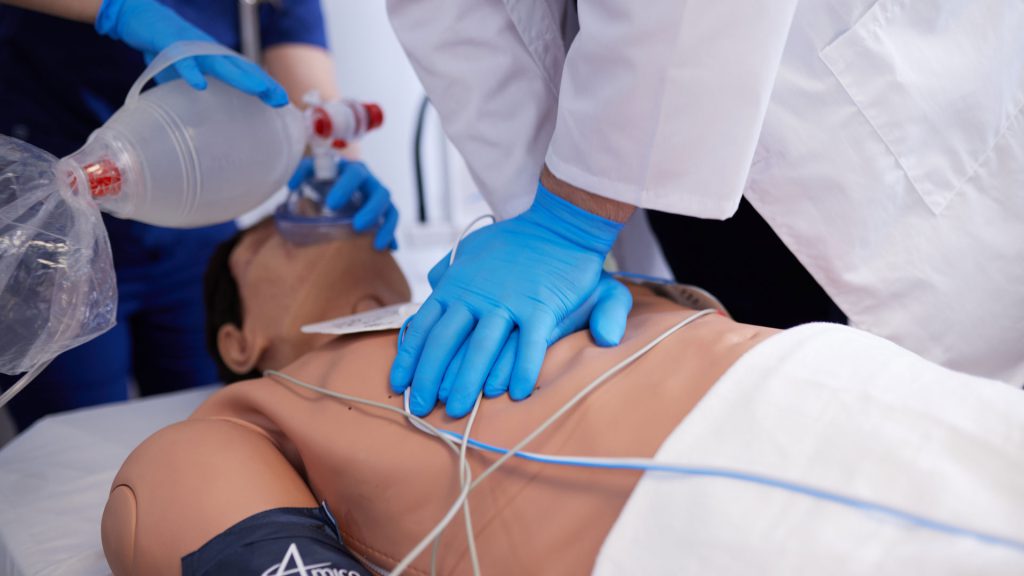
A multicentre study tracking threat resolution after in-situ simulation found that across 20 simulation courses in 15 hospitals, 278 safety threats were identified, with threats involving equipment, environmental layout, and task design more often resolved than those related to teamwork or organizational factors. Taken together, these findings suggest that in-situ simulation is most effective when paired with a formal resolution pathway that assigns ownership and tracks follow-through.
How to Structure a Debrief After an In-Situ Safety Simulation
Debrief is where the safety data becomes actionable. A well-run in-situ debrief serves two purposes simultaneously. First, it closes the learning loop for the clinical team. Second, it generates the documentation that patient safety leaders need to prioritize and address identified threats.
Effective in-situ debriefs begin with a rapid team reflection: what did you notice, where did you hesitate, and what was missing? The facilitator then walks through specific performance moments anchored in observed behavior rather than general impressions. Finally, the discussion connects those observations to broader patient safety and system-level implications. Is this a training gap, an equipment issue, a protocol ambiguity, or a workflow design problem?
Structured debriefing reveals unrecognized latent safety threats and identifies gaps in patient safety systems that can be addressed before affecting an actual patient. Ultimately, that cycle of simulate, debrief, document, and resolve is the operating model for a mature in-situ safety program.
At Elevate Healthcare, we have simulation specialists who can discuss scenario design, equipment configuration, and how to structure a program around your unit’s specific risk profile. Connect with us today.