



Blog
Clinical Simulation Education: Benefits & Best Practices
What Is Clinical Simulation in Healthcare?
Clinical simulation in healthcare is a teaching method that recreates realistic medical scenarios so learners can practice skills in a safe, controlled environment. By using patient simulators, task trainers, standardized patients, and virtual platforms, educators help learners apply theoretical knowledge to hands-on experiences without putting real patients at risk.
Also referred to as simulation training, this approach strengthens critical thinking, teamwork, and decision-making skills while preparing learners for both routine and high-stakes clinical situations.
What Is Simulation Training in Healthcare?
Simulation training is the structured practice of clinical skills using simulation tools. Through manikins, virtual cases, or hybrid setups, learners gain repeated exposure, receive immediate feedback, and refine decision-making. This hands-on approach helps learners develop competence, confidence, and critical thinking that translate directly into real-world practice.
Benefits of Simulation in Healthcare Training
Enhanced Patient Safety
Learners can make and learn from mistakes in a no-risk environment, reducing errors in actual patient care
Improved Clinical Skills & Performance
Repeated practice strengthens technical skills, decision-making, and professional confidence.
Better Knowledge Retention
Hands-on, experiential learning reinforces memory far more effectively than lectures or passive study.
Exposure to Rare or High-Risk Scenarios
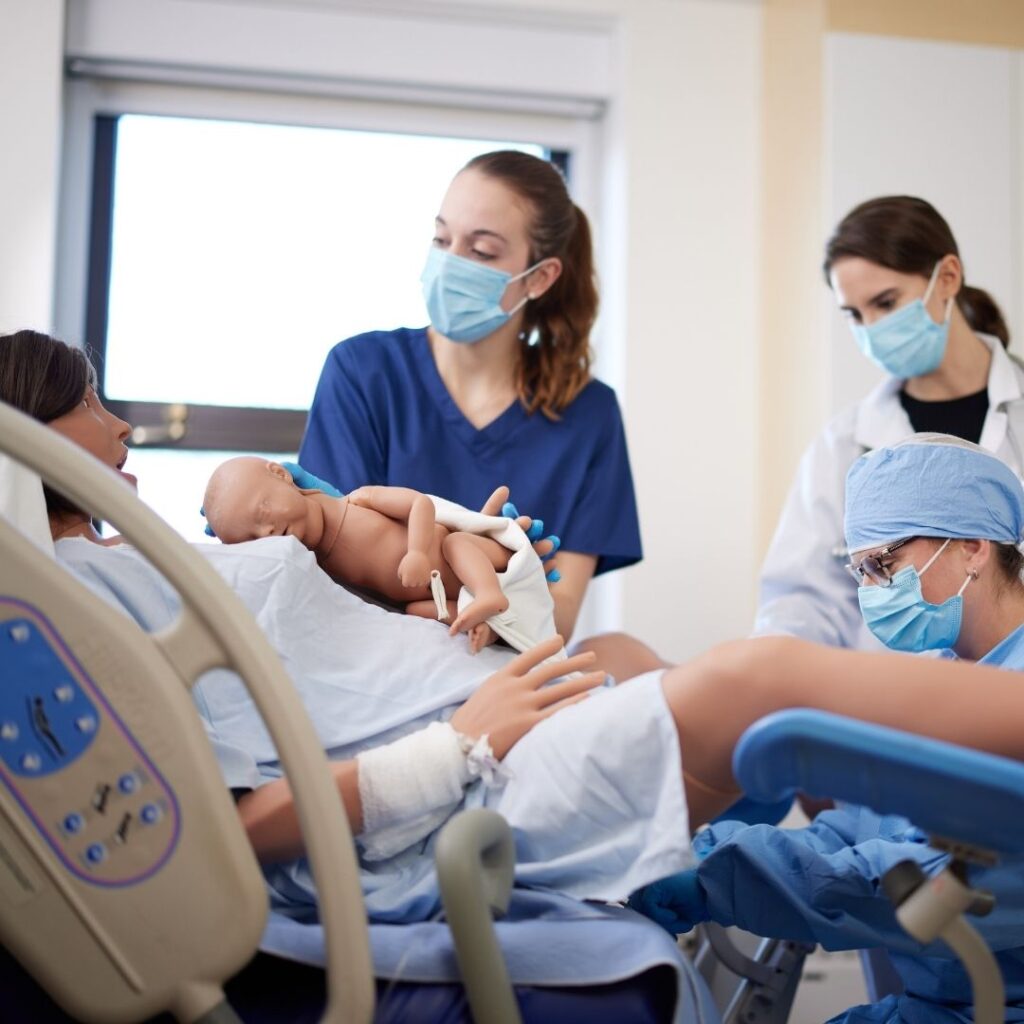
Simulation allows practice in uncommon but critical scenarios, such as cardiac arrest, OB/GYN emergencies, and trauma cases.
Strengthened Teamwork and Communication
Interprofessional training improves collaboration, communication, and coordinated responses in high-pressure situations.
Data-Driven Feedback
Performance metrics from simulators and simulation management platforms enable targeted coaching and continuous improvement.
Improved Patient Outcomes
Clinicians trained through simulation deliver safer, more effective care in real clinical environments.
Best Practices for Implementing Clinical Simulation Programs
Align With Learning Objectives
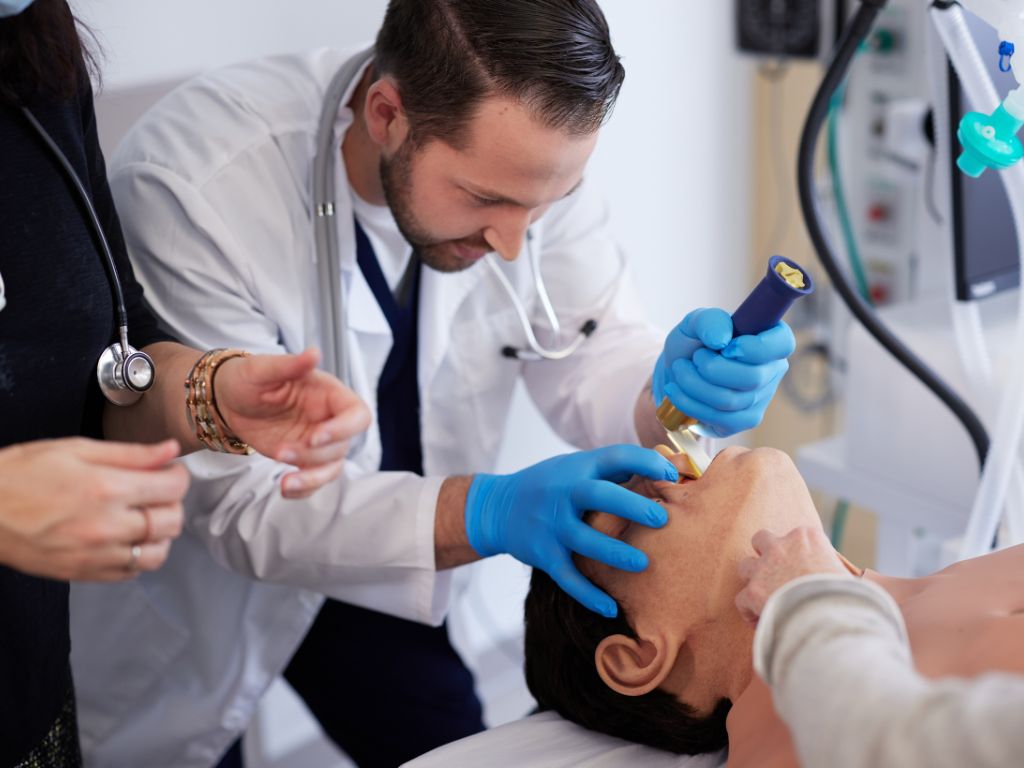
Design simulations around specific educational goals, such as mastering airway management or ultrasound diagnostics.
Train the Faculty
Educators should be proficient in simulation design, facilitation, and debriefing to guide learners effectively.
Include Pre-Briefing and Debriefing
Structured pre-briefing sets expectations, while debriefing reinforces learning and encourages reflective improvement.
Choose the Right Fidelity
Match the simulator type and realism to your learning goals, from basic task trainers to high-fidelity simulators.
Ensure Realism and Safety
Create immersive scenarios in a psychologically safe environment where learners feel comfortable engaging and making mistakes.
Use Simulation Management Technology
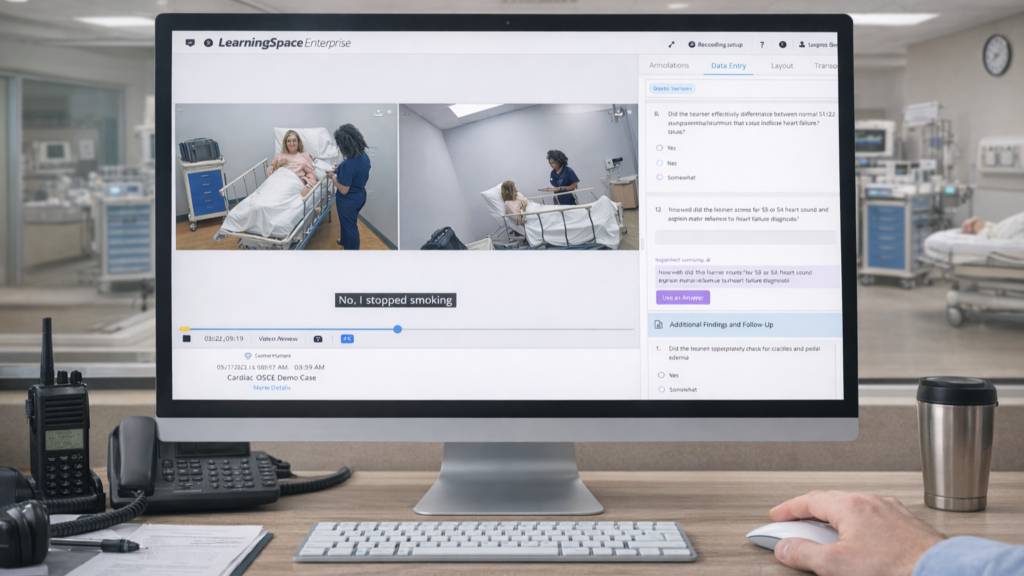
Platforms like LearningSpace streamline scheduling, video review, and performance tracking.
Scale Strategically
Start with pilot simulations, build faculty expertise, and scale your program gradually while maintaining quality.
Follow Standards and Improve Continuously
Use guidelines like INACSL Standards and SSH Accreditation models to refine your program over time
Empowering the Future of Healthcare Through Simulation
Simulation-based education is more than a teaching method; it changes how learners deliver care. By combining realistic scenarios with an integrated simulation ecosystem — including high-fidelity simulators, simulation management platforms, consulting services, and educational programs — educators can create immersive, data-driven experiences that track performance and guide improvements. This approach helps learners act decisively, safely, and effectively while reinforcing skills, teamwork, and decision-making.
From enhancing skill acquisition and decision-making to reducing patient risk, simulation supports measurable improvements across the continuum of care
Ready to strengthen your simulation strategy? Explore how Elevate Healthcare ecosystem can help your institution design scalable, data-driven programs that produce confident, competent clinicians.
Frequently Asked Questions (FAQ)
What is simulation in healthcare?
Simulation in healthcare uses realistic clinical scenarios—like treating a patient with a manikin or virtual case—to train professionals safely in a controlled environment.
What is clinical simulation?
Clinical simulation is the structured use of simulators, task trainers, standardized patients, or digital platforms to teach clinical skills, decision-making, and team performance.
What is simulation training in healthcare?
Simulation training provides repeated hands-on practice in scenarios replicating real-life healthcare challenges, helping learners build competence, confidence, and critical thinking.
Why is simulation important in healthcare education?
It improves patient safety, strengthens skills, increases confidence, and exposes learners to rare or high-risk scenarios, bridging theory and practice.
What are the types of clinical simulation?
- High-fidelity manikin-based simulation
- Task trainers for specific procedures
- Standardized patients (actors)
- Screen-based virtual simulations
- Hybrid models combining multiple formats
Who benefits from simulation training?
Medical students, nursing students, EMS professionals, residents, practicing clinicians, and interprofessional teams benefit from simulation-based education. It’s also widely used for continuing professional development.